

Creating a Sense of Dread through Visual Design and Lighting
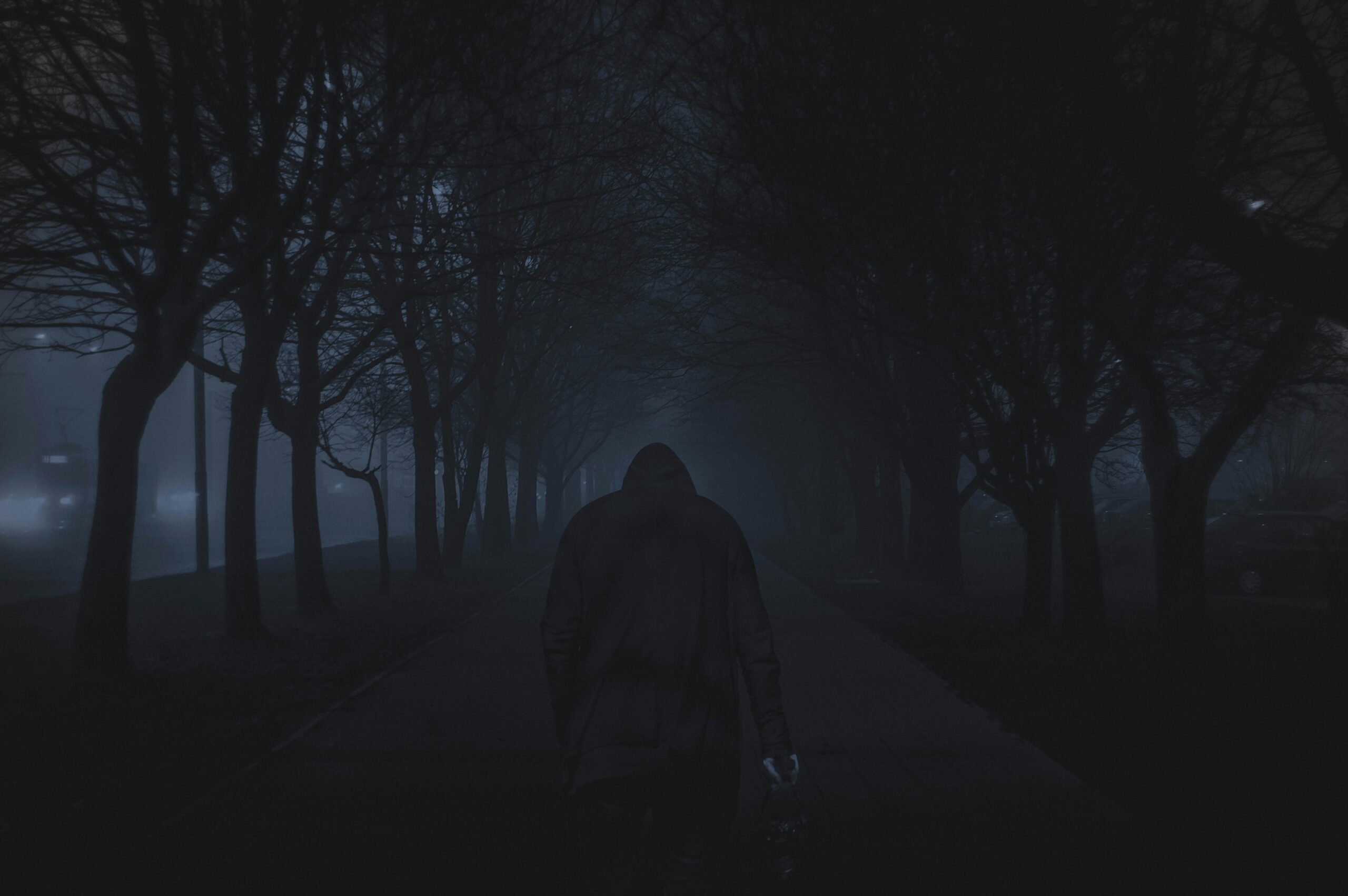
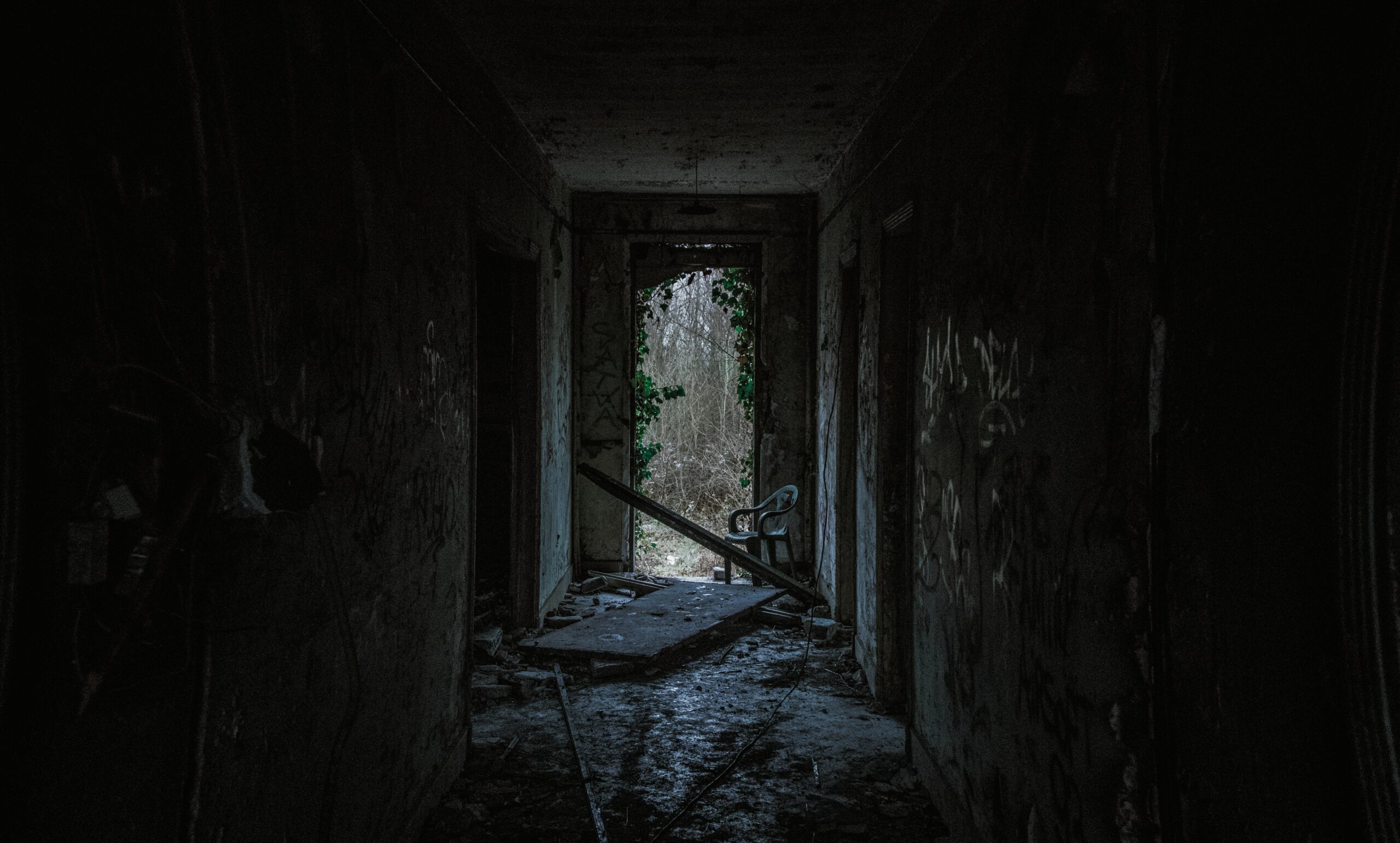
The visual design and lighting of a horror game play a crucial role in instilling a sense of dread and unease within players. The careful manipulation of color palettes, shadows, and lighting effects can evoke an atmosphere of foreboding, effectively setting the stage for terrifying encounters. By utilizing a predominantly dark and desaturated color scheme, game developers can create an oppressive and claustrophobic environment that heightens the player’s discomfort. Additionally, the strategic use of lighting can guide the player’s focus, drawing attention to ominous details and concealing lurking threats in the shadows. The juxtaposition of bright, flickering lights against dimly lit areas can also amplify tension, as players are left uncertain about what lurks just beyond their immediate field of vision.
Setting the Stage: Establishing an Intriguing Backstory
In the world of horror games, one of the key elements that sets the tone and draws players into the experience is the establishment of an intriguing backstory. Creating a compelling narrative that hooks players from the very beginning is crucial in setting the stage for the horrors that lie ahead. By providing a rich backstory filled with mystery, secrets, and unanswered questions, game developers can captivate players and immerse them in a dark and chilling world.
The process of establishing an intriguing backstory begins with careful planning and attention to detail. Developers must craft a compelling narrative that piques players’ curiosity and leaves them wanting to uncover the truth behind the dark events that unfold. This can be achieved through the use of carefully placed clues, cryptic messages, and hauntingly beautiful environments that hint at a deeper story waiting to be unraveled. By leaving breadcrumbs of information throughout the game, developers can create a sense of anticipation and intrigue that keeps players engaged and eager to discover the secrets that lie within.
Building Tension with Sound Design and Music
Creating a truly immersive and spine-chilling horror experience requires careful attention to every detail, from the visual design to the narrative structure. One crucial element that often goes unnoticed but plays a significant role in building tension is sound design and music. These auditory components have the power to evoke fear, anticipation, and dread in players, elevating the overall atmosphere of the game.
Through the clever use of sound effects, ambient sounds, and haunting melodies, game developers can manipulate emotions and intensify suspense. The sudden creak of floorboards, the distant echo of footsteps, or the subtle whisper in the darkness can send shivers down players’ spines, making them constantly question what lurks around the corner. A well-crafted soundtrack can heighten the sense of unease, with rising crescendos and dissonant chords increasing the feeling of impending danger. Whether it’s the eerie silence before a jump scare or the haunting chorus that accompanies a terrifying revelation, sound design and music are integral in amplifying the tension and immersing players into the heart of the horror.
Utilizing Environmental Storytelling to Deepen the Horror Experience
One of the most effective ways to create a truly immersive and terrifying horror experience is through the skillful use of environmental storytelling. By carefully crafting the game world and its surroundings, developers can convey a sense of dread and unease that lingers with players long after they’ve put down the controller. From abandoned and decaying buildings to dark and foreboding forests, the environment plays a crucial role in setting the stage for the horrors that await.
Every detail within the environment is an opportunity to deepen the horror experience. The placement of objects, the choice of lighting, and the use of sound effects all work together to create an atmosphere of tension and fear. A flickering light bulb, a distant echoing footsteps, or the sound of a distant scream can all send shivers down the players’ spines. These subtle cues, when strategically placed throughout the environment, keep players on edge and heighten their sense of anticipation and dread. It’s through these environmental storytelling techniques that horror games truly come alive, enveloping players in a world where every shadow holds a potential threat.
Crafting Unsettling Characters and Creatures
Creating unforgettable and unsettling characters and creatures is a crucial aspect of crafting a truly immersive horror experience. These entities serve as the embodiment of fear, capturing our darkest nightmares and manifesting them on screen. Whether it’s a grotesque monster lurking in the shadows or a deranged human antagonist with a twisted agenda, the design and portrayal of these beings have the power to send shivers down our spines.
From their physical appearance to their behavior and motivations, every detail must contribute to an atmosphere of unease. It’s not just about making them visually disturbing; it’s about understanding the psychology of fear and harnessing it to create characters and creatures that leave a lasting impact. A well-crafted villain can instill a sense of dread and anticipation, keeping players on edge as they navigate the treacherous landscape of the game world. As the line between reality and fiction blurs, the presence of these unsettling entities heightens the tension and amplifies the terror, ensuring an unforgettable horror experience.
Implementing Innovative Gameplay Mechanics to Heighten Immersion
To truly immerse players in a horror game, developers have turned to innovative gameplay mechanics that go beyond the typical tropes. One such mechanic is the use of limited resources, forcing players to make strategic decisions that contribute to the sense of dread and desperation. Whether it’s managing ammunition in a survival horror game or conserving sanity in a psychological thriller, these mechanics place players on edge as they try to overcome the challenges presented to them.
Another gameplay mechanic that heightens immersion is the implementation of dynamic environmental interactions. Instead of simply being passive observers in the game world, players are empowered to manipulate and interact with their surroundings. This not only allows for greater player agency but also adds a new layer of tension. From hiding in closets to barricading doors, these mechanics make players feel like they are an active participant in the horror, further blurring the line between game and reality. By immersing players in this way, the fear becomes more palpable and the experience more memorable.
The Power of Player Agency in Shaping the Horror Narrative
In horror games, the power of player agency becomes a crucial element in shaping the overall narrative. By giving players the ability to make choices and decisions, game developers can create a more immersive and personalized experience. The fear and tension that come from making these choices can heighten the player’s sense of dread and amplify the horror elements of the game. Whether it’s deciding which path to take, how to approach a dangerous situation, or interacting with other characters, the player’s agency adds a layer of unpredictability and suspense, making every playthrough unique and thrilling.
By allowing players to shape the horror narrative through their choices, developers also tap into the psychological aspect of fear. When players are given control over their actions, they become more invested in the outcome, heightening their emotional connection to the game. This active involvement necessitates careful design and writing, as the choices presented should feel meaningful and have consequences that impact the overall storyline. As players navigate through the game world, their decisions can lead to different outcomes, altering their perception of the horror and the overall trajectory of the narrative. The power of player agency in shaping the horror narrative offers an exciting opportunity for developers to engage players on a deeper level, creating a truly immersive and terrifying experience.
Mastering the Art of Jump Scares and Psychological Manipulation
Jump scares and psychological manipulation are two key techniques that horror game developers use to instill fear in players and create a truly terrifying experience. A well-executed jump scare can catch players off guard, causing their heart rates to skyrocket and their adrenaline to surge. These unexpected moments of terror are strategically placed throughout the game to keep players on edge and maintain a constant sense of unease. By carefully timing the appearance of a frightening entity or unleashing a sudden loud noise, developers can jolt players out of their comfort zone and immerse them in a state of fright. Additionally, psychological manipulation plays a crucial role in horror games by exploiting players’ deepest fears and anxieties. Through clever storytelling, eerie environments, and atmospheric sound design, developers can create a sense of psychological unease that lingers long after the game is turned off. By tapping into common phobias or delving into more psychological subgenres like psychological horror or cosmic horror, games can play tricks on the players’ minds and evoke a sense of lingering discomfort. These methods allow horror game developers to push the boundaries of fear and deliver an experience that will haunt players long after the game is over.
Exploring the Role of Pacing and Atmosphere in Horror Games
Pacing and atmosphere play crucial roles in creating a truly immersive and spine-chilling horror game experience. The pace at which the game unfolds can heighten the sense of suspense and keep players on the edge of their seats. By strategically varying the tempo of the gameplay, developers can build tension, allowing players moments of respite before thrusting them into heart-pounding encounters with sinister forces. This careful manipulation of pacing ensures that players are constantly engaged and invested in the terrifying world before them.
Equally important is the creation of a haunting atmosphere that immerses players in a sense of dread and foreboding. From the dimly lit corridors of a deserted mansion to the eerie sounds that echo throughout an abandoned asylum, every element of the game’s environment should contribute to the overall feeling of unease. Atmospheric design, including the use of lighting, sound effects, and environmental details, can transport players into a different world, where every shadow hides a lurking terror. With meticulous attention to detail, developers can create an atmosphere that keeps players on their toes, anxiously anticipating what horrors await them around each corner.
Pushing Boundaries: Experimenting with Non-Linear Narrative Structures
Non-linear narrative structures have become increasingly popular in the world of horror games, as developers seek to push the boundaries of storytelling and create immersive experiences for players. By deviating from traditional linear storytelling, these games offer a unique and dynamic approach to narrative, allowing players to explore different paths and uncover multiple storylines. This non-linear approach not only adds replay value to the game but also enhances the feeling of suspense and uncertainty, as players are constantly kept on their toes, unsure of what lies ahead.
One of the key advantages of non-linear narrative structures is the ability to present a more complex and layered story. Instead of following a predetermined path, players are given the freedom to make choices and decisions that directly impact the outcome of the game. This level of player agency allows for a personalized experience, where each player’s actions and choices shape the narrative and determine the fate of the characters involved. By creating a sense of unpredictability and challenging established storytelling norms, non-linear narrative structures immerse players in a terrifying world where their choices matter, resulting in a heightened sense of tension and unease.