

1. Genre Definitions: Understanding the Essence of Survival and Horror Games
Survival and horror games are two distinct genres that have gained immense popularity in the gaming industry. While both genres share some similarities, they also have their unique characteristics that set them apart.
Survival games typically revolve around the player’s ability to survive in a hostile environment. These games often require the player to gather resources, build shelters, and fend off threats in order to stay alive. The essence of survival games lies in the strategic decision-making and resource management, as players must carefully balance their needs and prioritize their actions to ensure their survival. On the other hand, horror games aim to evoke fear and suspense in players through elements such as psychological horror, jump scares, and a dark, eerie atmosphere. The essence of horror games lies in their ability to immerse players in a terrifying experience, challenging their nerves and emotions.
2. Gameplay Mechanics: Exploring the Core Gameplay Features in Survival Games
Survival games are known for their immersive and challenging gameplay mechanics that test players’ ability to adapt and thrive in harsh environments. One core feature of gameplay in survival games is resource gathering. Players are required to scavenge for various resources such as food, water, and materials to build and craft necessary items for their survival. This element adds a layer of realism and urgency to the gameplay, as players must carefully manage their resources and make strategic decisions on how to best utilize them.
Another key gameplay feature in survival games is exploration. Players are often placed in vast open-world environments, filled with hidden treasures, dangers, and potential allies or enemies. The exploration aspect allows players to unfold the mysteries of the game world, discover new locations, and gather valuable resources. It also emphasizes the sense of adventure and curiosity, as players never know what they may stumble upon or what challenges they may face next. This element of gameplay encourages players to venture further, push their limits, and uncover the secrets that lie within the game’s world.
3. Atmosphere and Environment: Contrasting the Settings and Ambiance in Survival and Horror Games
Survival games and horror games may both have elements of tension and danger, but they often diverge when it comes to their settings and ambiance. In survival games, the environment is typically portrayed as a harsh and unforgiving wilderness or post-apocalyptic world. Players are confronted with rugged landscapes, limited resources, and the constant struggle for survival. Whether it’s navigating through dense forests, traversing treacherous mountains, or braving frigid snowstorms, the atmosphere in survival games emphasizes the inherent challenges of the natural world.
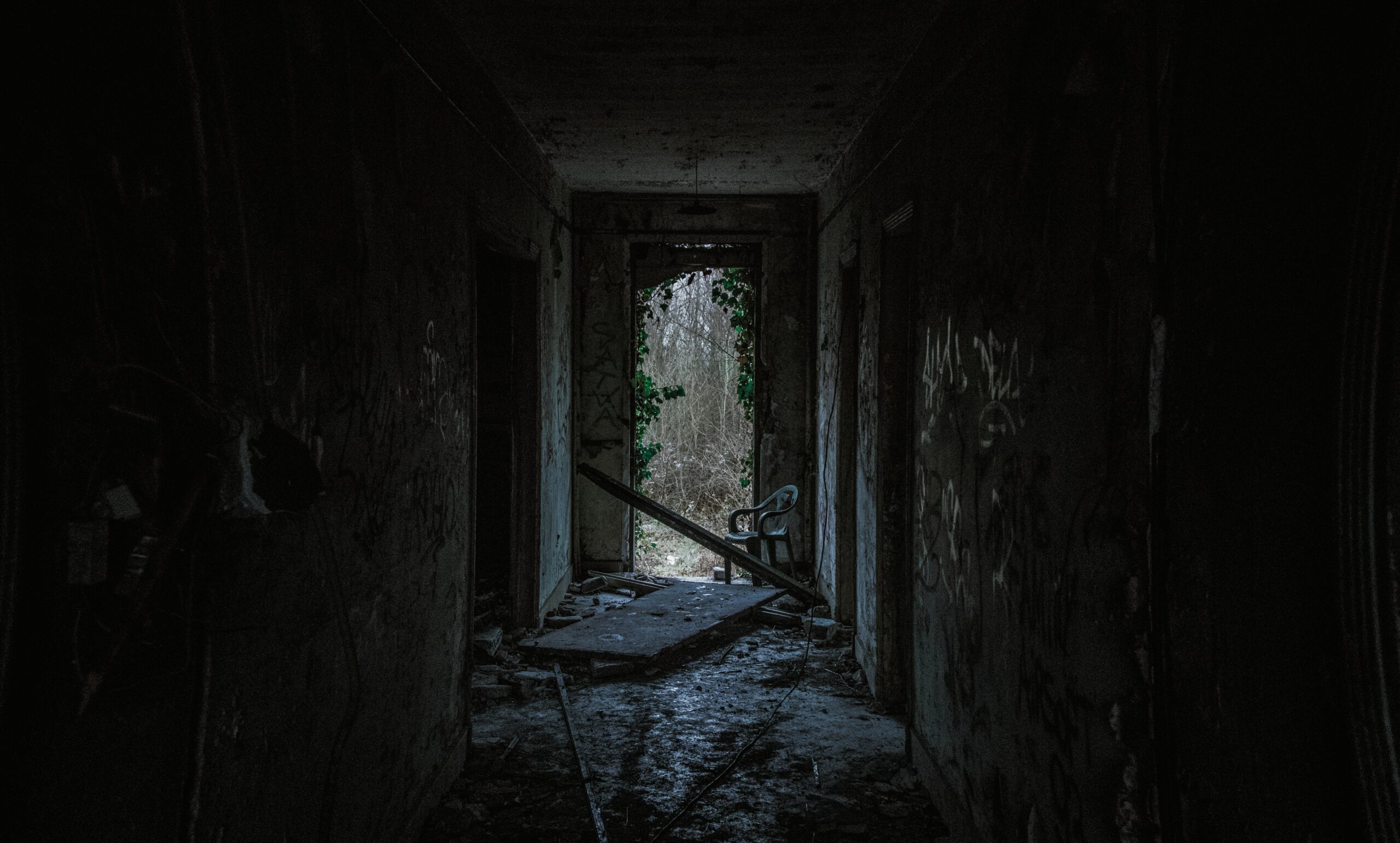
On the other hand, horror games tend to focus more on creating a sense of dread and fear through their atmospheric settings. Often taking place within abandoned buildings, haunted mansions, or eerie underground tunnels, these environments are carefully designed to evoke a sense of unease and foreboding. Creepy lighting, eerie sound effects, and disturbing visuals contribute to the overall ambiance, immersing players in a world that is rife with supernatural or psychological horrors. The goal is to generate a constant feeling of anxiety and suspense, keeping players on the edge of their seats as they navigate through these haunting and unsettling spaces.
4. Objectives and Progression: Examining the Goals and Progression Systems in Survival Games
Survival games are known for their open-ended nature and lack of defined objectives. In these games, the main goal is often to simply survive in a harsh and unforgiving environment. Players must gather resources, craft tools and shelter, and fend off threats such as hunger, thirst, and hostile creatures. The progression in survival games is typically driven by the player’s own choices and actions. As they survive longer and acquire more resources, they can unlock new abilities or items that enhance their chances of survival. However, there is no linear path or predetermined end goal, allowing players to shape their own experience and determine what objectives they want to pursue. Whether it’s building an impressive base, exploring uncharted territories, or simply surviving for as long as possible, survival games offer a wide range of objectives for players to strive towards.
5. Fear Factor: Analyzing the Psychological Elements that Heighten Horror Game Experiences
The fear factor is a crucial element that distinguishes horror games from other genres. It is the psychological aspect of these games that heightens the overall experience for players. One of the main ways this is achieved is through the use of suspense and tension. The anticipation of what might be lurking around the corner, or the fear of the unknown, keeps players on the edge of their seats. Whether it’s the subtle creaking of a floorboard or the sudden jump scare, horror games expertly manipulate the player’s emotions to create a sense of fear and unease.
Another psychological element that enhances the fear factor in horror games is the feeling of vulnerability. In these games, players are often thrust into dangerous and threatening situations where they are ill-equipped to defend themselves. This powerlessness creates a sense of dread and puts players in a constant state of tension. It forces them to make strategic decisions and carefully plan their every move, knowing that a wrong step could lead to their demise. The combination of vulnerability and limited resources amplifies the fear factor, making players more cautious and hesitant as they navigate through the game world.
6. Combat and Weapons: Differentiating the Combat Systems and Weaponry in Survival and Horror Games
In survival games, combat mechanics often emphasize resourcefulness and strategic decision-making rather than overwhelming firepower. Players are often presented with limited ammunition, scarce weapons, and the need to carefully conserve supplies. The focus is on survival, forcing players to think strategically about when to engage in combat and when to avoid it altogether. This creates a tense and immersive gameplay experience, as every encounter could potentially be a life-or-death situation.
On the other hand, horror games often rely on a sense of vulnerability and helplessness to evoke fear in players. Combat in these games is often deliberately clunky and ineffective, emphasizing the idea that the player’s main objective should be to escape and survive rather than confront and defeat enemies head-on. Weapons in horror games are typically limited and ineffective, further enhancing the feeling of powerlessness. This design choice contributes to the psychological horror elements of the genre, as players are forced to rely on their wits and resourcefulness to navigate through terrifying encounters.
7. Resource Management: Comparing the Importance of Resource Management in Survival and Horror Games
Resource management is a crucial aspect in both survival and horror games, as it directly impacts the player’s ability to survive and progress. In survival games, resources such as food, water, and shelter are essential for the player’s survival in a hostile environment. Players must carefully ration their resources, making strategic decisions about when and how to use them. Failure to manage resources effectively can result in starvation, dehydration, or exposure to the elements, leading to the player’s demise.
In horror games, resource management takes on a slightly different form. While the basic needs of survival may still be present, the focus shifts more towards ammunition, healing items, and other supplies necessary to fend off or escape from terrifying creatures or threats. Every bullet and health pack becomes valuable, and players must weigh the risk of engaging in combat against the potential rewards of finding additional resources. The tension created by limited resources heightens the sense of vulnerability and intensifies the fear factor, making resource management a key element in horror game experiences.
8. Narrative and Storytelling: Assessing the Role of Narrative in Shaping Survival and Horror Game Experiences
Narrative and storytelling play a crucial role in shaping the experiences of players in survival and horror games. These games often employ immersive narratives that unfold as players progress through the game, allowing them to feel more engaged and invested in the gameplay. Whether it’s a post-apocalyptic wasteland or a haunted mansion, the narrative provides the backdrop for the player’s journey, setting the tone and atmosphere for the entire game.
In survival games, the narrative usually revolves around the player’s struggle to survive in a hostile environment. The storytelling often focuses on the challenges and obstacles the player must overcome to secure resources, build shelter, and fend off threats. These narratives can range from a deserted island survival scenario to a zombie-infested world, each presenting its own unique set of challenges and opportunities. The narrative not only serves to provide context for the player’s actions but also drives their motivation to survive and thrive in these unforgiving worlds.
9. Player Agency: Discussing the Level of Player Control and Decision-Making in Survival and Horror Games
In both survival and horror games, player agency plays a critical role in shaping the overall experience. The level of control and decision-making afforded to the player directly impacts their ability to navigate through the challenges presented in the game world. Whether it’s choosing to engage in combat or evade enemies, determining the best course of action in a resource-limited environment, or making morally ambiguous decisions that can have far-reaching consequences, player agency is the driving force behind the player’s sense of ownership and immersion in the game.
Survival games typically offer a high degree of player agency, allowing players to freely explore the game world, gather resources, and craft tools and shelter to survive. The decisions made by players, such as where to venture, what to prioritize in resource management, and how to interact with other players or non-playable characters, can significantly impact their chances of survival. This sense of autonomy and freedom can be both empowering and challenging, as players must carefully weigh their options and make choices that align with their desired play style and survival strategy.
10
Player agency is a crucial aspect that distinguishes survival games from horror games. In survival games, players often have a high level of control and decision-making power. From choosing how to allocate limited resources to deciding where to build a base or which quests to pursue, players have the freedom to shape their own gameplay experience. This sense of agency not only provides a satisfying level of autonomy but also adds depth and replayability to the game.
In contrast, horror games tend to limit player agency to create a more tense and immersive experience. Players are often placed in vulnerable positions, where they have limited options to escape or fight back against the horrors they encounter. This lack of control heightens the feeling of fear and helplessness, as players must rely on their wits and intuition to navigate through terrifying situations. By restricting player agency, horror games can effectively manipulate emotions and create a truly spine-chilling experience.